1975–2005 — Evolving to Meet a Changing World
As the needs of the Capital Region and the international community evolved in the early 2000s, so did the International Center of the Capital Region. Changes in national priorities, international migration patterns, and federal policies following September 11, 2001, significantly altered the landscape of refugee resettlement and international community services.
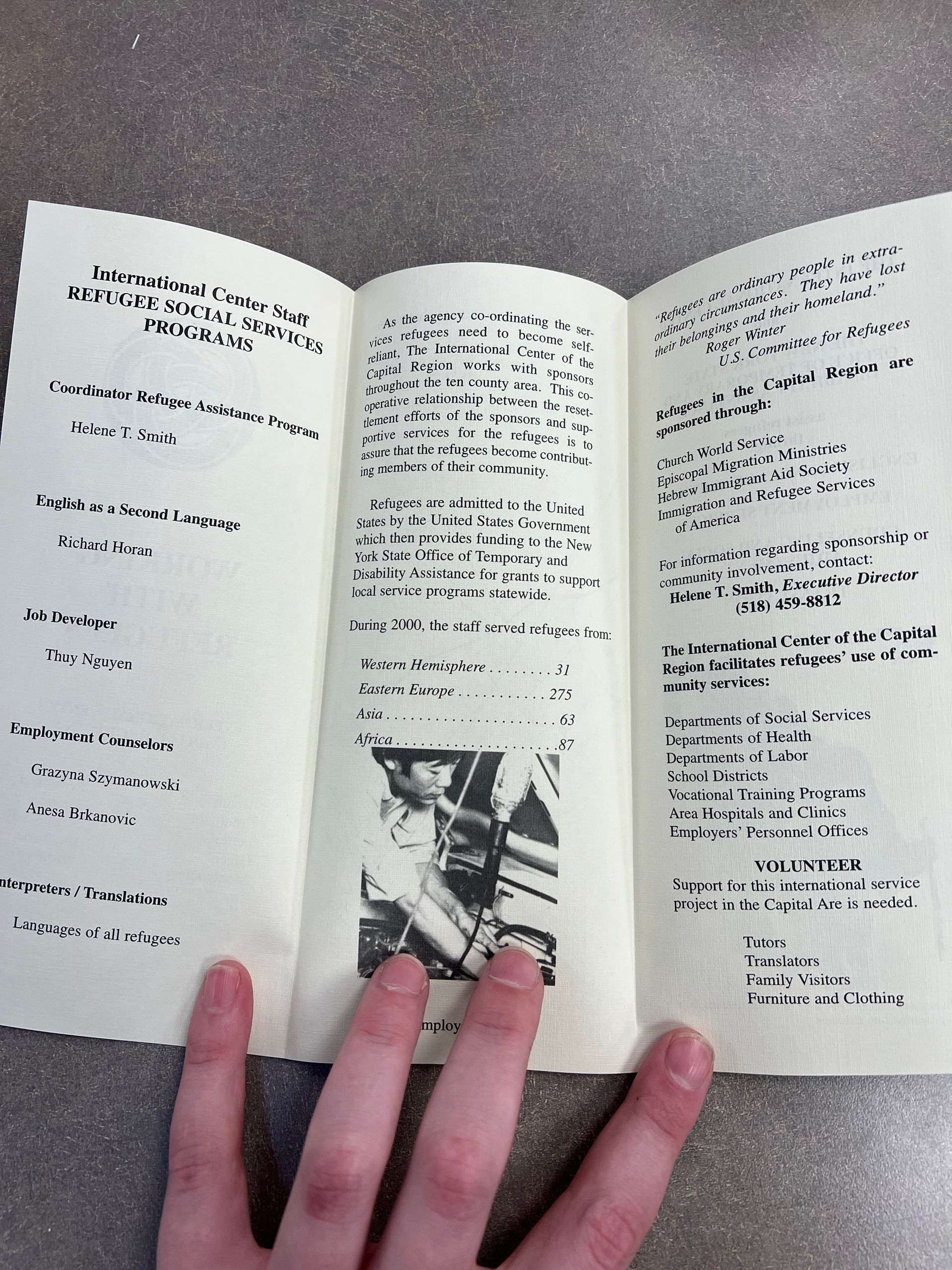
During this period, ICCR experienced the loss of its longtime director, Helene Smith, who passed away in 2003 after a long illness. Her dedication to newcomers and to building a more welcoming Capital Region left a lasting legacy within the organization and community.
Recognizing that these changes called for a new approach, ICCR’s Board and staff worked with community partners to determine how the organization could continue its mission sustainably. In 2005, ICCR transitioned its direct refugee and immigrant resettlement services to the U.S. Committee for Refugees and Immigrants (USCRI), helping ensure that newcomers in the Capital Region continued to have access to essential services.
This transition allowed ICCR to build on another important part of its mission: connecting the Capital Region with the world through international exchange, education, cultural understanding, and community engagement.

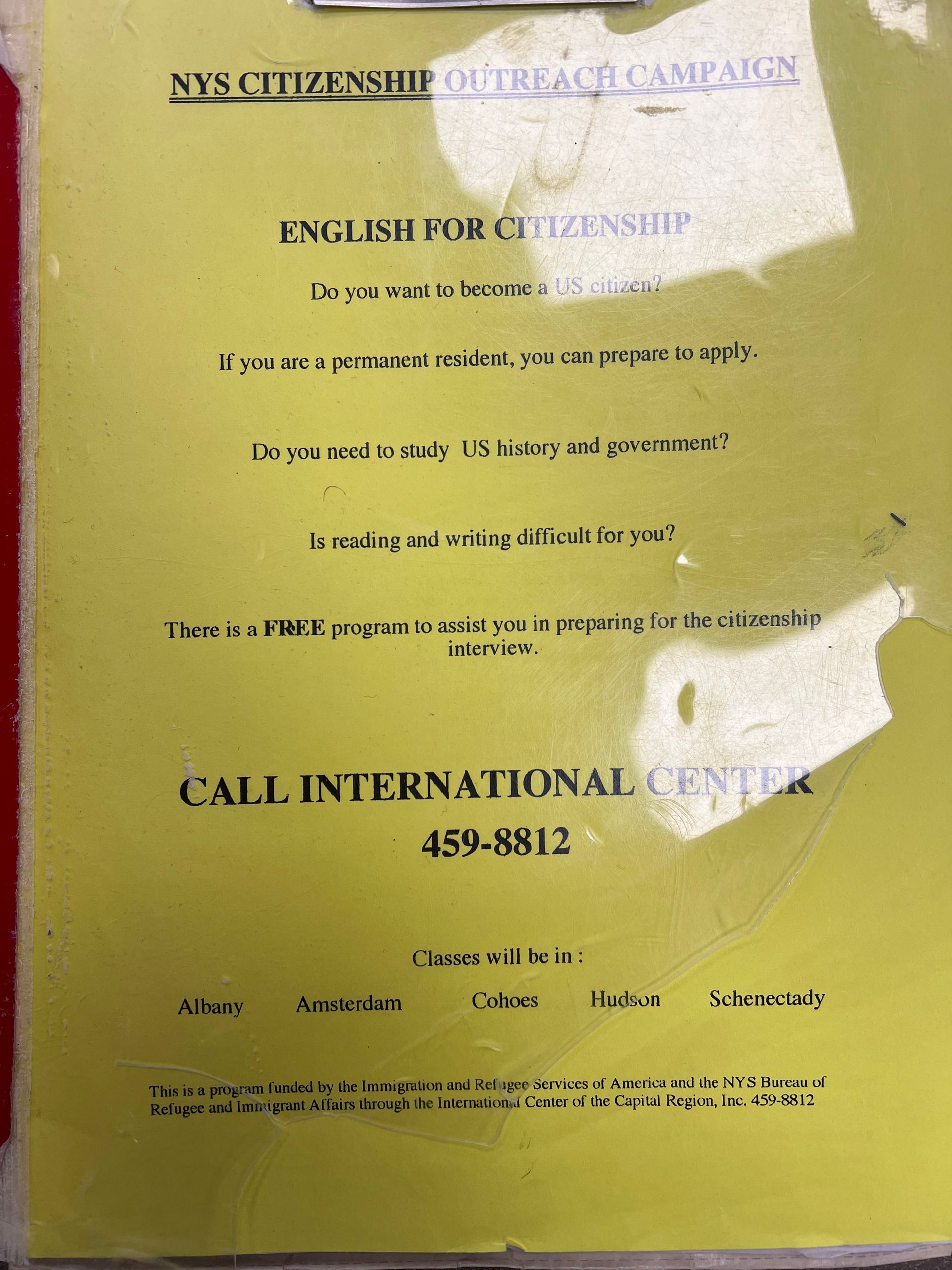
Since 2005, ICCR has created opportunities for people in the Capital Region to learn from and connect with people from around the world. Through international visitor exchanges, educational programs, cultural initiatives, youth engagement, and community partnerships, ICCR continues to foster greater understanding of the world and the diverse communities that make the Capital Region home.
The organization continues to evolve while remaining grounded in the principle that has guided its work for seven decades: bringing people together across cultures builds understanding, strengthens communities, and creates connections that last.